 Door-O-Matic
Emergency Garage Door Repair After a Storm: Power Loss, Damage, and Safe Access
Severe thunderstorms, strong winds, and unexpected power outages can leave homeowners dealing with a garage door that suddenly stops working. In these situations, emergency garage door repair may be necessary to restore access, address damaged components, and protect the property.
However, not every garage door failure after a storm indicates mechanical damage. Sometimes, the opener simply loses power. In other cases, wind, flying debris, or water exposure may affect the door and its components.
Understanding the difference can help New Jersey homeowners avoid unsafe decisions and identify when professional assistance is needed.
For homeowners experiencing storm-related garage door problems, Door-O-Matic Garage Door Services provides professional repair and emergency service support throughout its New Jersey service area.
How Severe Weather Can Affect Garage Door Operation
Garage doors are exposed to outdoor conditions throughout the year. Strong winds, heavy rain, and debris can affect their operation, particularly during severe storms.
High winds may place significant pressure on garage door panels and their supporting hardware. Debris can also strike the door, causing dents, deformation, or damage to nearby components.
According to the U.S. Department of Energy's Building America Solution Center, garage doors can experience inward and outward wind pressure during severe weather. These forces may damage panels, tracks, or supporting hardware.
After a storm, homeowners should visually inspect the door from a safe distance before attempting to operate it.
Visible damage, unusual positioning, or problems with the surrounding structure should be evaluated professionally.
Power Outage or Mechanical Damage: Understanding the Difference
One of the first things to determine after a storm is whether the garage door has lost power or suffered physical damage.
Although the symptoms may look similar, the causes and appropriate responses can be very different.
When the Garage Door Opener Loses Power
Automatic garage door openers generally depend on electricity. If a storm interrupts the power supply, an opener without a functioning battery backup may stop responding.
Before assuming the garage door needs mechanical repair, homeowners can check whether other electrical devices in the home have also lost power.
Some modern systems include battery backup capabilities. Chamberlain explains that battery backup garage door openers can continue operating during power outages.
However, this functionality depends on the opener model and the condition of its backup battery.
When the Garage Door Has Physical Damage
If the home has power but the garage door still refuses to move, another issue may be responsible.
Strong winds, impacts, displaced tracks, damaged rollers, or broken hardware can interfere with normal operation.
A garage door may also become misaligned after an impact, even when the visible damage appears limited.
Homeowners should avoid repeatedly activating the opener when the door looks crooked, damaged, or unable to move normally.
Door-O-Matic's Residential Garage Door Repair Services address problems involving tracks, rollers, cables, openers, hardware, and irregular door movement.
When a Stuck Garage Door Becomes an Emergency
A garage door that cannot open or close after a storm can create immediate access and security concerns.
For example, a door stuck open may leave vehicles, equipment, and other belongings exposed. A door stuck closed can prevent homeowners from accessing their vehicles or using the garage as an entry point.
The situation becomes more concerning when visible damage suggests the door may be unstable.
Professional attention should be prioritized when:
- The garage door is stuck open and cannot secure the property.
- Strong winds or debris have visibly damaged the panels.
- The door has shifted out of alignment or off its tracks.
- Springs or cables appear broken or displaced.
- The door moves unpredictably after the storm.
- Electrical components have been exposed to flooding or significant water damage.
These situations require different responses depending on the condition of the system.
Door-O-Matic also has a separate guide explaining when garage door problems require urgent attention.
For storm-related failures, the additional concern is identifying whether weather damage has compromised the door's safe operation.
What to Do When Your Garage Door Is Stuck Open After a Storm
A garage door stuck in the open position can be frustrating, particularly when severe weather continues.
However, forcing the door closed may create additional problems.
If the door is crooked, visibly damaged, or supported unevenly, keep people and vehicles away from the opening.
Do not attempt to pull down an unstable door or disconnect the opener to force movement.
The Door & Access Systems Manufacturers Association warns that garage door springs and cables can be under substantial tension. Damaged components should be handled by trained technicians.
If storm debris or nearby electrical damage creates another immediate hazard, keep a safe distance and contact the appropriate emergency or utility service.
Once the area is safe, professional garage door service can help determine whether repair or replacement is necessary.
Using the Manual Release During a Power Outage
Many automatic garage door openers include an emergency release mechanism that disconnects the door from the opener.
This feature can help homeowners operate an otherwise functional garage door during a power outage.
However, the emergency release should not be used to compensate for a damaged or unstable garage door.
Manufacturer guidance generally recommends disengaging the opener only when the garage door is fully closed. A door with broken springs or an unbalanced lifting system could fall unexpectedly.
Clopay's guide to manually opening a garage door during a power outage explains why proper door condition and manufacturer-specific instructions matter.
If the door is unusually heavy, difficult to move, or visibly damaged, avoid manual operation and contact a professional.
What Happens During Professional Emergency Garage Door Repair?
Professional emergency garage door repair begins with identifying what caused the failure.
When severe weather is involved, a technician may need to evaluate both the mechanical system and any storm-related damage.
Inspecting Panels, Tracks, and Hardware
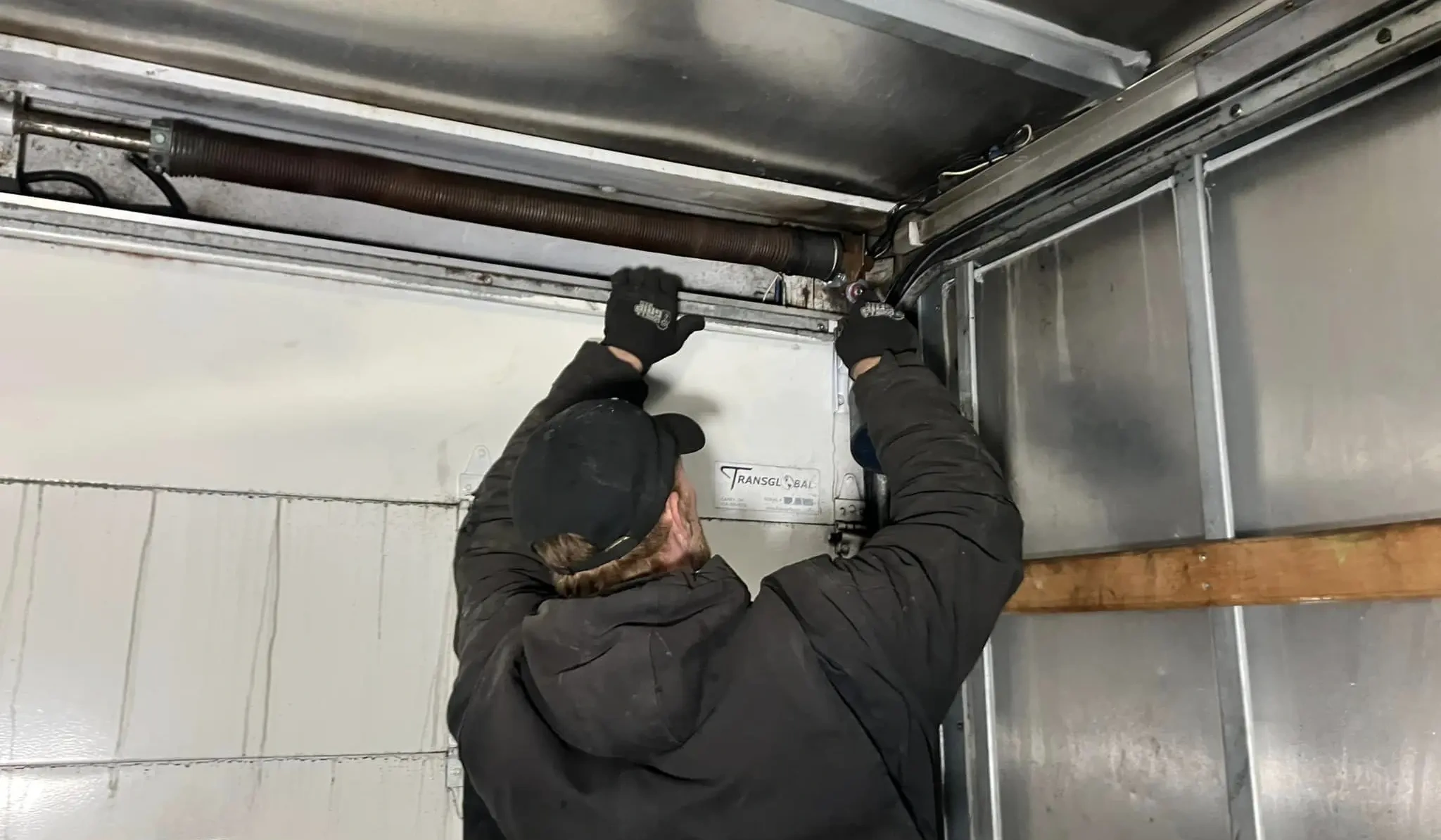
The technician can examine visible damage to the panels, tracks, rollers, hinges, brackets, and supporting components.
This helps determine whether the door remains properly aligned and whether any part of the system has been displaced.
Evaluating Springs and Cables
Garage door springs and cables work together to manage the door's weight.
If either component becomes damaged, the system may no longer move safely or consistently.
A professional inspection can identify whether those components require repair or replacement before the door returns to normal operation.
Checking the Opener and Safety System
Once the mechanical condition is evaluated, the opener and safety components may also need inspection.
Power interruptions, control problems, and sensor issues can affect operation even when the door itself remains structurally sound.
The goal is to determine which components require attention rather than automatically replacing the entire system.
Preparing Your Garage Door for Future Storms
Severe weather cannot always be predicted precisely, but homeowners can take steps to improve garage door preparedness.
Routine inspections help identify worn hardware, damaged seals, deteriorating rollers, and other issues before extreme weather occurs.
The DASMA garage door safety recommendations encourage monthly safety checks and periodic professional service to support safe operation.
Homeowners can also review whether their opener supports battery backup operation and learn how the manufacturer's emergency release functions while the system is working correctly.
In locations exposed to stronger winds, evaluating the door's wind-pressure rating may also be worthwhile. The appropriate requirements depend on the property and applicable building codes.
Door-O-Matic offers Preventive Maintenance and Tune-Ups that can help homeowners identify developing problems before they interfere with daily garage access.
Reliable Garage Door Access Starts With the Right Response
A garage door that stops working after a storm does not always need the same type of repair.
A power outage, damaged track, failed spring, displaced panel, or opener problem can produce different symptoms.
The most important step is avoiding further operation when visible damage or unstable movement is present.
Professional emergency garage door repair can help identify the cause, evaluate affected components, and determine the appropriate work needed to restore dependable access.
For New Jersey homeowners, understanding these differences can make storm recovery safer and less stressful.
If your garage door becomes stuck, damaged, or unreliable after severe weather, avoid forcing the system to operate.
Contact Door-O-Matic Garage Door Services to request emergency garage door repair in New Jersey and get professional assistance evaluating storm-related damage, opener problems, and unsafe door movement.
Have a question about your garage door?
Talk to an expertMore from the Door-O-Matic blog
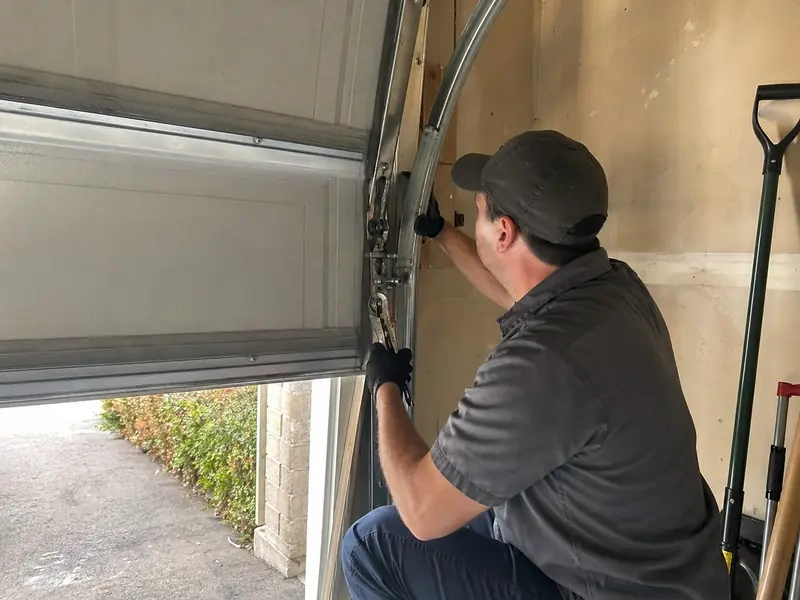
Garage door off track repair: the hidden damage behind a derailed door
Need garage door off track repair? Discover hidden damage involving rollers, tracks, cables, and hardware, plus when to seek professional service in NJ.
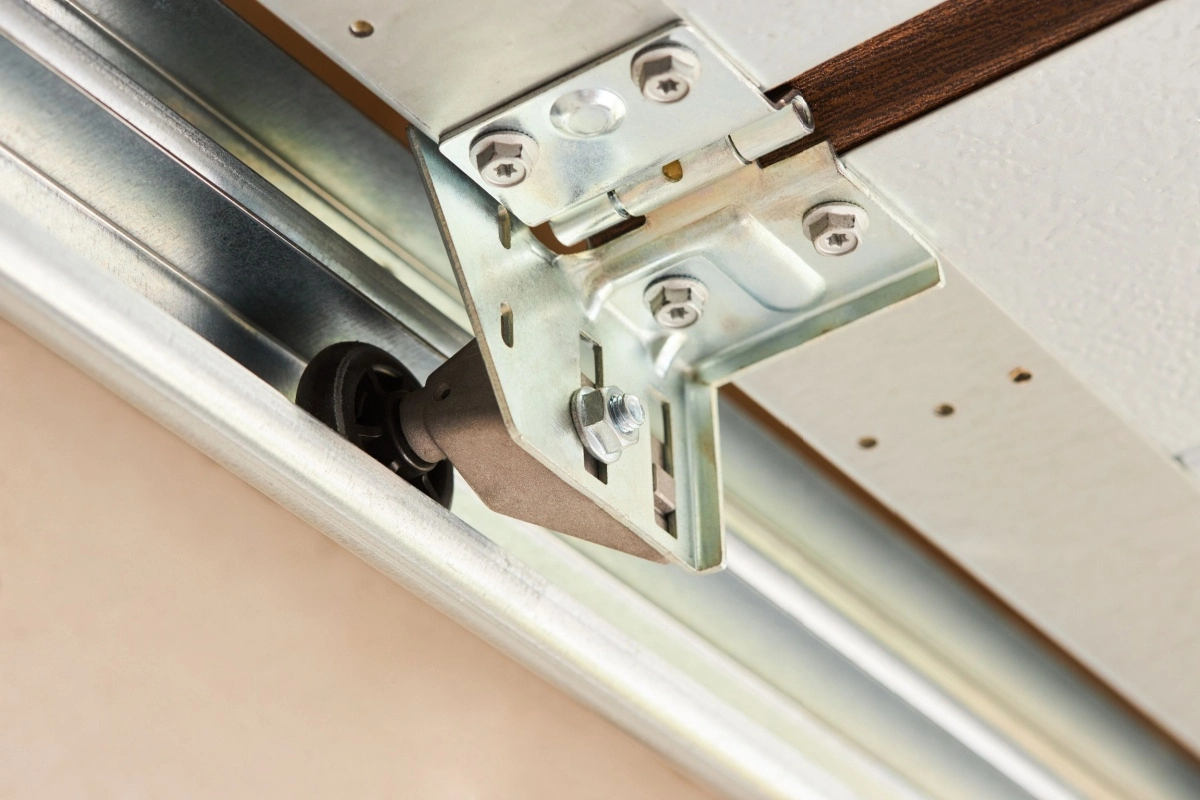
Garage door roller replacement: nylon vs. steel and why proper fit matters
Planning garage door roller replacement? Compare nylon and steel rollers, bearing quality, and proper fit for smoother garage door operation in New Jersey.