 Door-O-Matic
Garage Door Roller Replacement: Nylon vs. Steel and Why Proper Fit Matters
When a garage door becomes noisy, starts vibrating, or moves less smoothly than before, worn rollers may be part of the problem. However, garage door roller replacement involves more than swapping old wheels for new ones.
Homeowners may encounter different roller materials, bearing designs, sizes, and load ratings when considering replacement. Nylon and steel are two common options, but neither is automatically suitable for every garage door.
Understanding their differences can help homeowners make informed decisions about performance, noise, and long-term maintenance.
For New Jersey homeowners, Door-O-Matic's residential roller replacement service provides professional assistance with worn, damaged, and sticking garage door rollers.
Why Garage Door Rollers Matter for Smooth Operation
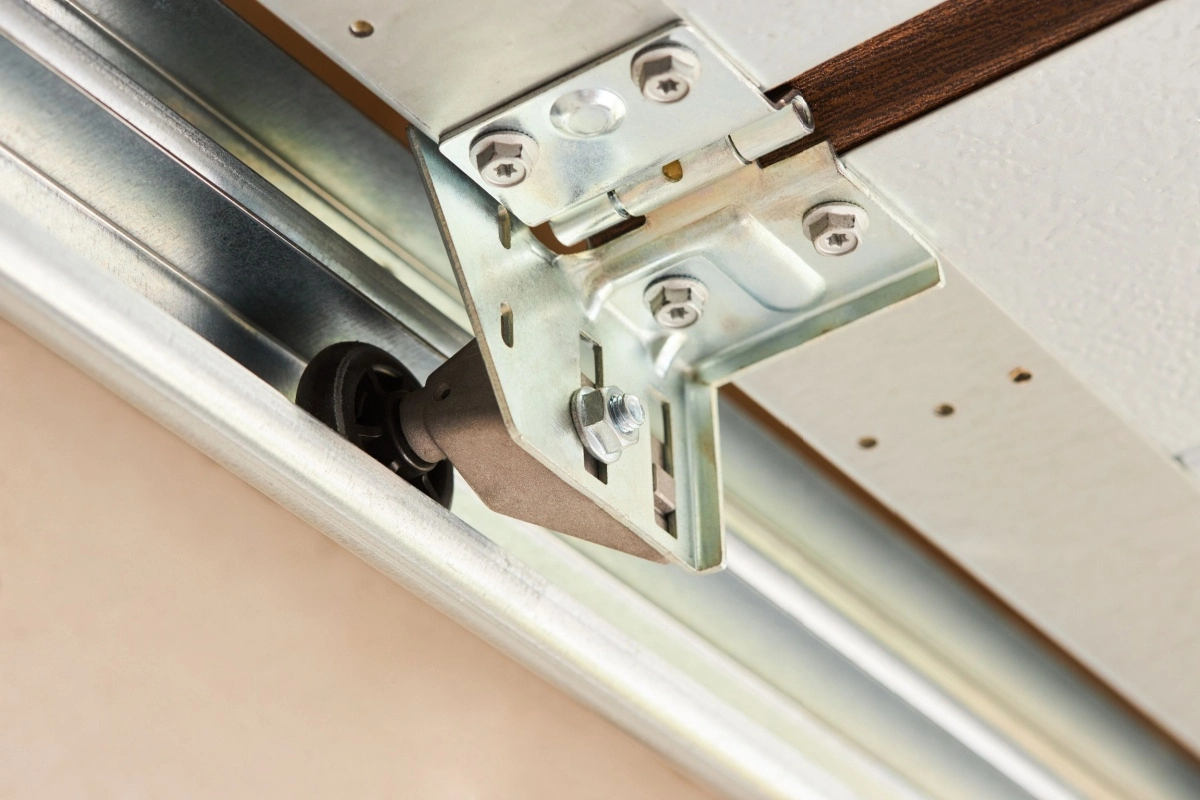
Garage door rollers are small wheels connected to the door's hinges or roller brackets. They travel inside the tracks as the door opens and closes.
Although they are relatively small components, their condition influences how consistently the door moves.
A damaged roller may create friction, vibration, or resistance. When multiple rollers begin wearing unevenly, the door can become noticeably louder or less reliable.
According to Clopay's garage door components guide, rollers commonly use steel or nylon wheels. Each material offers different characteristics related to durability, noise, and maintenance.
Choosing suitable replacements requires understanding how those characteristics match the existing door.
Nylon vs. Steel Rollers: Understanding the Differences
Both nylon and steel rollers perform the same basic function. However, they can behave differently under normal operating conditions.
Nylon Garage Door Rollers: Quieter Residential Operation
Nylon rollers are commonly selected when reducing operating noise is important.
The nylon wheel creates less metal-on-metal contact with the steel track. This can make operation quieter, particularly in homes with attached garages or living spaces nearby.
Additional advantages may include reduced wheel corrosion and relatively low maintenance requirements.
However, nylon rollers vary in construction and quality. Some models include ball bearings, while others use bearingless designs.
A nylon roller should not be considered superior simply because of its material.
Steel Garage Door Rollers: Durability and Load Requirements
Steel rollers are another established option for garage door systems.
Their metal construction can provide durability under appropriate operating conditions. Certain designs are suitable for heavier doors or applications requiring specific load capacities.
However, steel wheels may produce more noise as they move through metal tracks.
Bearing construction, manufacturing quality, and regular maintenance also affect performance.
The correct choice depends on the door's specifications rather than assuming steel is always stronger or nylon is always better.
Why Bearing Quality Matters During Garage Door Roller Replacement
The wheel material is only one part of a garage door roller.
Bearings can influence how easily the wheel rotates around its stem and how the roller performs over repeated opening and closing cycles.
Some rollers include ball bearings, while others use bearingless construction.
The Door & Access Systems Manufacturers Association has published technical commentary explaining why roller quality cannot be judged by appearance or bearing count alone.
Industry experts interviewed by DASMA emphasized that roller performance depends on design, manufacturing quality, load capacity, and the intended application.
For example, a properly manufactured bearingless nylon roller may work well on a lightweight residential door. A heavier system may benefit from a different bearing configuration.
This means homeowners should evaluate more than marketing claims when selecting replacement rollers.
Why Roller Size and Track Compatibility Matter
Even a high-quality roller may perform poorly if it does not match the existing garage door system.
Rollers are manufactured with different wheel diameters, stem lengths, bearing configurations, and load ratings.
These specifications affect how the component fits within the track and connects to the door hardware.
An incorrectly sized roller may create unnecessary resistance, unstable movement, or improper positioning.
Matching the Roller to the Garage Door System
Before recommending replacement components, a technician should consider:
- Existing roller dimensions
- Track size and configuration
- Roller stem length
- Door weight and construction
- Bearing design and load rating
- Manufacturer compatibility requirements
Selecting replacement rollers based only on material or appearance may overlook these important details.
Proper fit is essential for restoring consistent door movement.
When Replacing Individual Rollers May Not Be Enough
Sometimes the visible roller damage is only part of a larger issue.
For example, worn hinges, damaged tracks, or an improperly balanced door can affect how rollers move.
Installing new rollers without evaluating those conditions may leave the original problem unresolved.
During professional garage door roller replacement, technicians should examine the surrounding hardware and track system.
Door-O-Matic's residential garage door repair services address mechanical problems involving rollers, cables, tracks, and other components that affect normal operation.
A broader inspection helps determine whether replacing the rollers is sufficient or whether additional work is necessary.
What Professional Garage Door Roller Replacement Should Include
Professional roller replacement begins with evaluating the existing door system.
A technician can inspect the condition of the rollers, identify worn components, and determine which replacements are compatible.
The process may also involve checking roller brackets, hinges, track alignment, and the door's overall movement.
Once suitable rollers are installed, the system should be tested to confirm smooth operation.
Garage door safety is especially important around lower brackets connected to the lifting cables.
DASMA's garage door safety recommendations warn that bottom brackets can be under extreme tension and should only be adjusted or loosened by trained technicians.
For that reason, homeowners should avoid disturbing high-tension hardware while attempting roller repairs.
Can New Garage Door Rollers Help Reduce Noise?
Replacing damaged or poorly performing rollers may reduce some garage door noise.
However, not every squeak or grinding sound originates from the rollers.
Hinges, tracks, springs, loose hardware, and opener components can also contribute to unusual sounds.
Nylon rollers are often preferred for quieter operation, but the actual improvement depends on the condition of the complete system.
Clopay's garage door maintenance guide recommends evaluating rollers for smooth and quiet movement. Rollers showing excessive noise or poor operation may require lubrication or replacement.
A professional diagnosis can help determine whether new rollers will address the noise or whether another component needs attention.
Maintenance Helps Protect Roller Performance
New rollers still require appropriate care.
Regular inspection can help identify cracked wheels, worn bearings, unusual movement, and developing hardware problems.
Lubrication requirements depend on roller construction and manufacturer instructions. Some nylon designs require less maintenance, while applicable metal bearings and moving hardware may need periodic lubrication.
Door-O-Matic offers professional Garage Door Lubrication Services to help reduce friction and support smoother operation.
Homeowners can also consider Preventive Maintenance and Tune-Ups to identify developing wear before it affects the complete door system.
Routine maintenance provides an opportunity to evaluate rollers alongside tracks, hinges, springs, and other components.
Choosing the Right Roller Is About the Complete System
Nylon and steel rollers each offer potential advantages.
Nylon may be attractive for homeowners who prioritize quieter operation. Steel may be appropriate for applications that require particular load ratings or construction characteristics.
However, bearing quality, dimensions, compatibility, and the condition of the garage door remain equally important.
Professional garage door roller replacement should focus on selecting components that meet the system's actual requirements.
The result should be a door that operates smoothly, moves consistently, and does not experience unnecessary resistance from incompatible or deteriorated rollers.
If your garage door has become noisy, shaky, or difficult to operate, worn rollers may be contributing to the problem.
Contact Door-O-Matic Garage Door Services to schedule professional garage door roller replacement in New Jersey and receive guidance on the appropriate roller type, bearing design, and hardware compatibility for your garage door.
Have a question about your garage door?
Talk to an expertMore from the Door-O-Matic blog
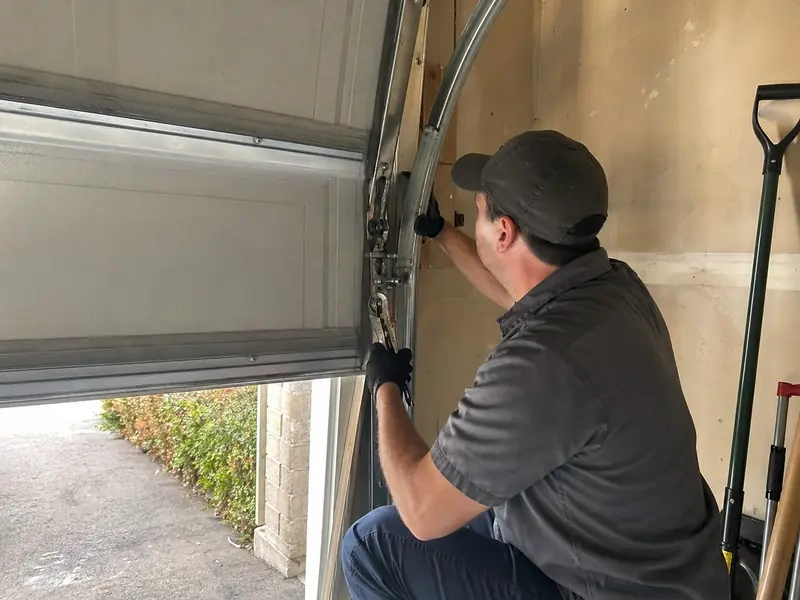
Garage door off track repair: the hidden damage behind a derailed door
Need garage door off track repair? Discover hidden damage involving rollers, tracks, cables, and hardware, plus when to seek professional service in NJ.
Garage door replacement cost in NJ: how to read a quote before you commit
Compare garage door replacement cost in NJ. Learn what estimates include, which upgrades affect pricing, and how to review quotes before choosing a contractor.